
A curated anthology of Cortona’s most extraordinary sites, captured through expert storytelling and cinematic lenses. From world-class art masterpieces to secret medieval alleys, our collection invites you to go beyond the surface. Browse our full library of short films and immerse yourself in the authentic spirit of the city, discovering the legends and the beauty that make Cortona truly unique.
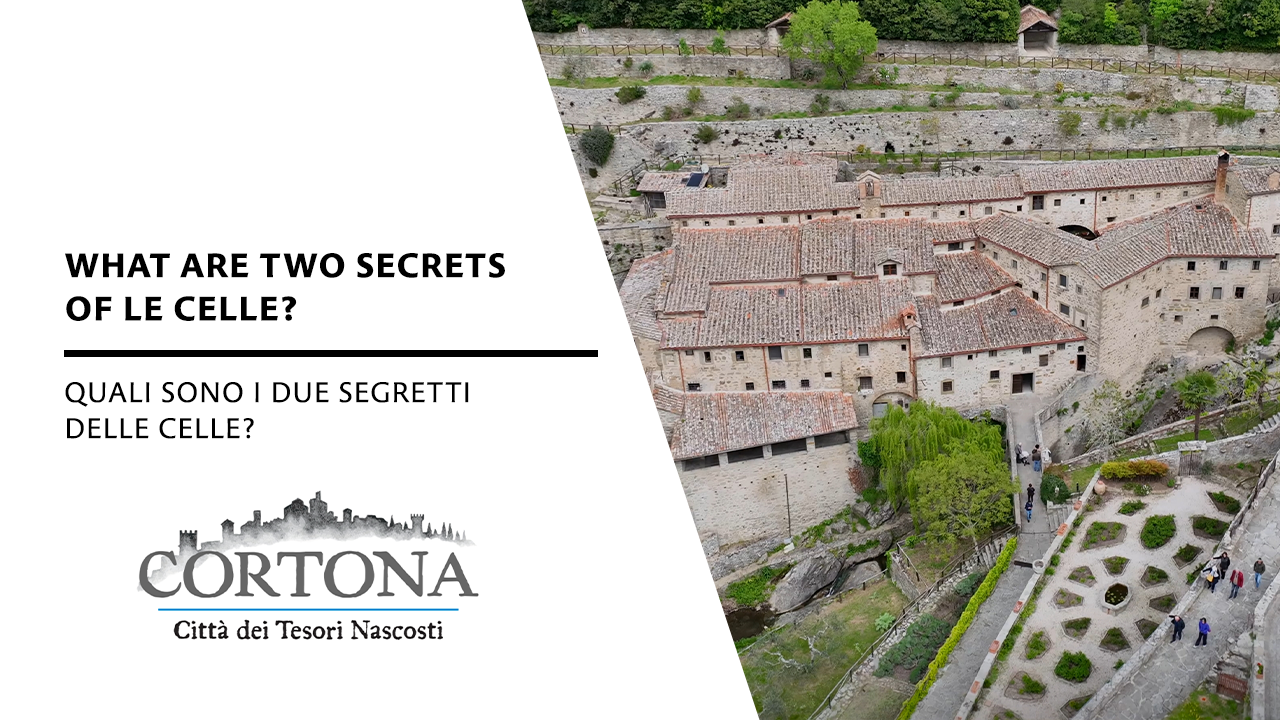
Just a few kilometres from Cortona lies the Hermitage of Le Celle, one of the places most closely connected to the life of St Francis of Assisi. Built around a small cave and surrounded by nature, it still preserves a remarkable atmosphere of silence and contemplation. Brother Stefan reveals the two secrets of Le Celle and tells the story of a place shaped by St Francis, Blessed Guido and generations of Capuchin friars.
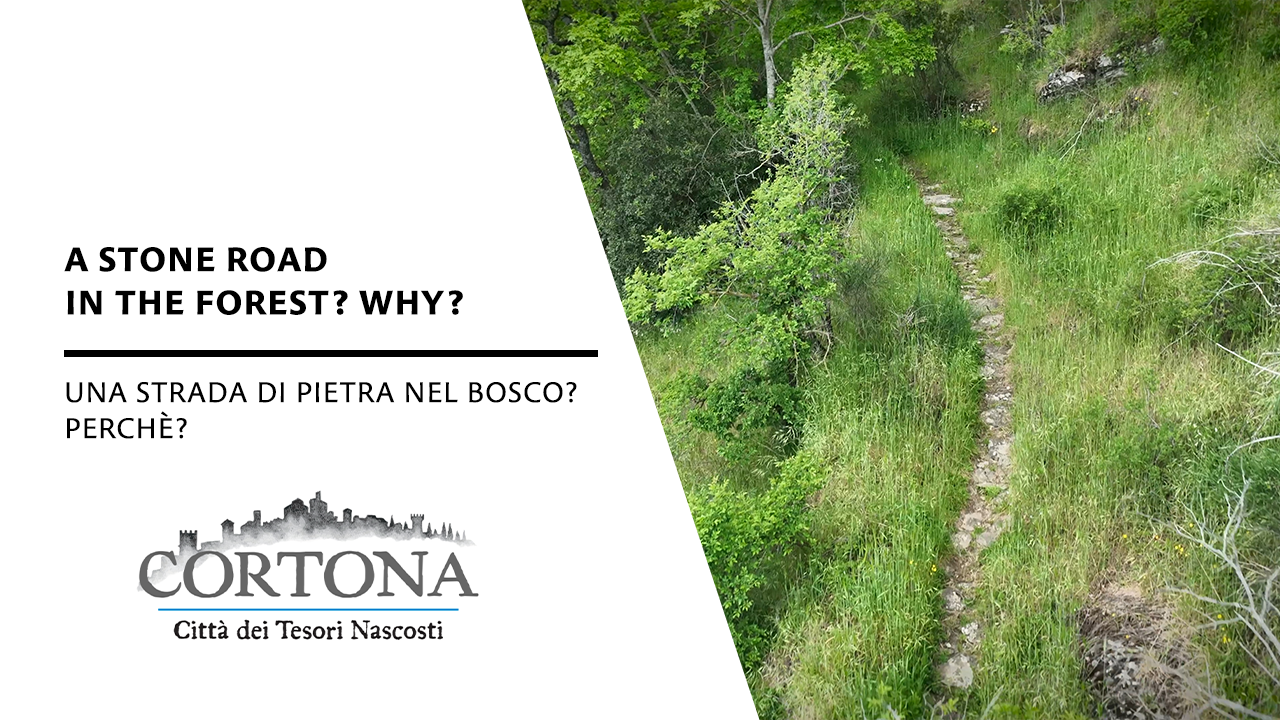
In the woods above Cortona lies an ancient road built during the Roman period, with sections of its original stone paving still visible today.
Starting near Torreone and climbing towards Mount Sant’Egidio, the route follows large stone slabs carefully laid to create a durable road capable of crossing steep terrain and surviving for centuries.
Where did this road lead? Who travelled along it? And how has it survived until today?
In this episode of Cortona: City of Hidden Treasures, we explore one of the most fascinating traces of Cortona’s ancient past and discover the engineering behind the Roman road network.
Today, the same route winds through forests and panoramic landscapes, bringing archaeology, nature and history together along a trail that visitors can still walk.
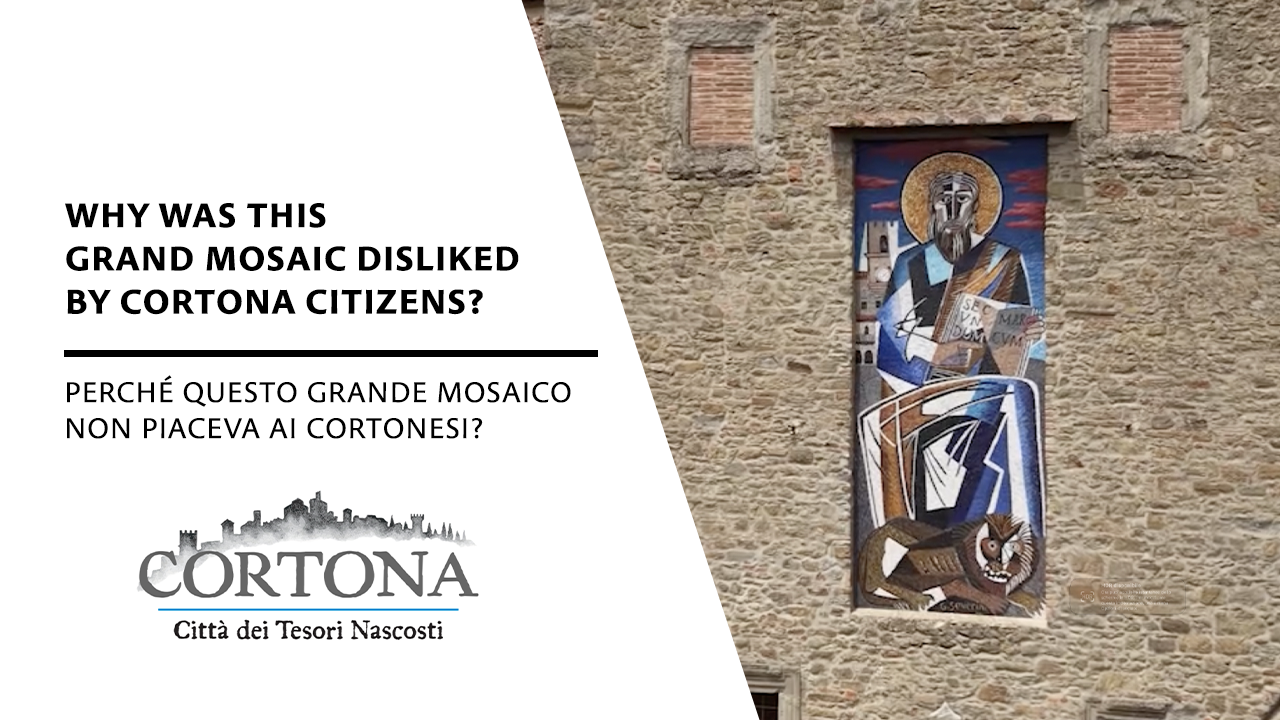
On the façade of the Church of San Marco in Cortona stands a monumental mosaic that contrasts sharply with the city’s medieval and Renaissance character.
It is Gino Severini’s San Marco, one of the Cortona-born artist’s most distinctive works: modern, monumental and rich in symbolism.
Severini designed it to be visible from the valley, almost as if the figure were guiding visitors towards Cortona. St Mark appears far removed from conventional religious imagery, with a solemn, powerful presence that almost recalls a Roman emperor, accompanied by the lion at his feet and a stern, mystical expression.
The work evokes not only Cortona’s patron saint, but also ideas of courage, civic identity and belonging.
But why was such an important work initially met with resistance?
In this episode of Cortona: City of Hidden Treasures, Silvia Vecchini meets art historian Daniela Fonti to uncover the meaning, symbolism and story behind a work that evolved from a controversial addition into one of Cortona’s artistic treasures.
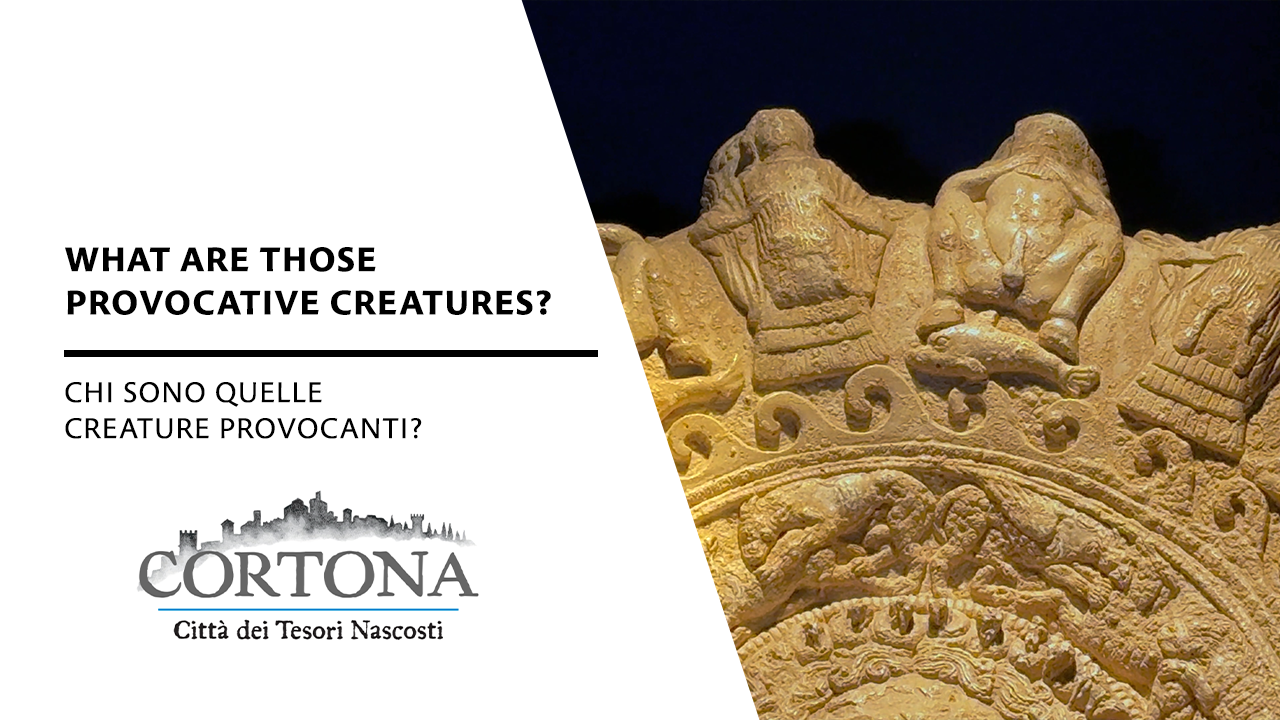
A Gorgon stands at its centre, surrounded by satyrs and sirens with striking and provocative features. Yet nothing on the Etruscan Chandelier of Cortona appears to be merely decorative.
Discovered near Cortona in 1840 and now housed at the MAEC, this extraordinary bronze masterpiece was probably made in the Orvieto area to illuminate a sacred space.
Its figures evoke ideas of protection, religious ritual, water and rebirth, revealing an object far more complex than a simple source of light.
What did these creatures really represent? And why was the chandelier placed inside a votive pit and hidden for more than two thousand years?
In this episode of Cortona: City of Hidden Treasures, Silvia Vecchini meets Professor Paolo Bruschetti, who reveals the history, original purpose and complex symbolism of one of Cortona’s most important Etruscan artefacts.
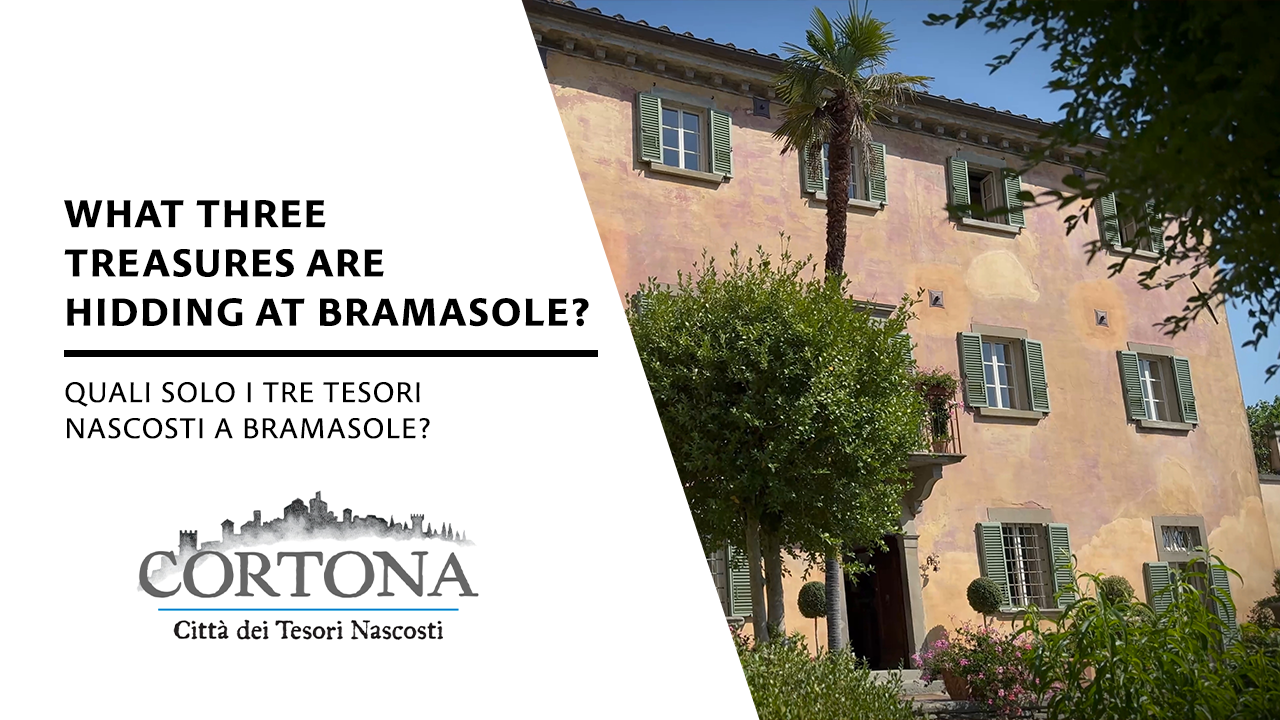
In this special episode of Cortona: City of Hidden Treasures, we have the privilege of stepping through the gates of the iconic Villa Bramasole with a truly exceptional host: the beloved, international bestselling author Frances Mayes!
Ancient Tuscan homes never cease to amaze. Frances takes us on an exclusive tour to reveal 3 incredible historical treasures discovered right on her property:
The ancient walls: A section of Cortona's original Etruscan city wall, sitting right in her backyard!
The secret cistern: An ancient Etruscan well hiding an archway connected to the Medici Fortress (and home to a friendly little frog for years).
The dining room miracle: A stunning fresco depicting Lake Trasimeno, which magically re-emerged from beneath layers of white paint during restoration work.
A captivating journey where a deep love for the Tuscan light (Bramare il sole - "to yearn for the sun") intertwines with centuries of Etruscan and Renaissance history.
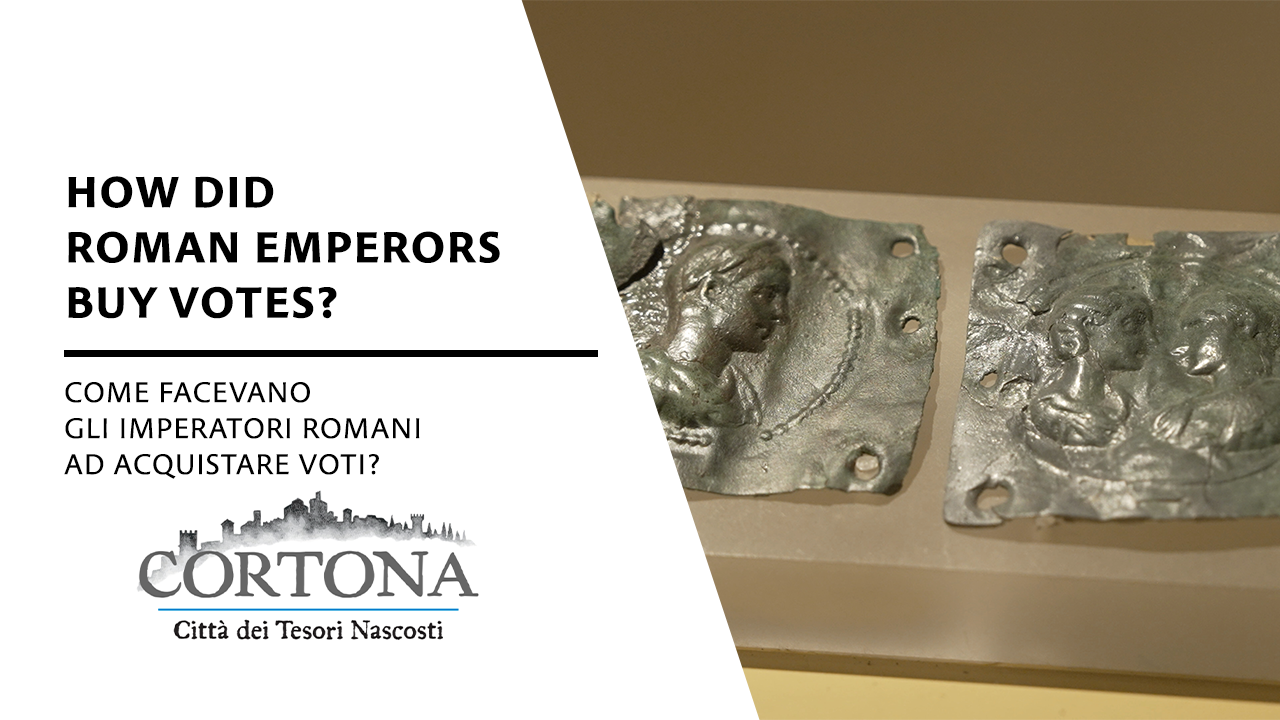
How did Roman emperors gain the support of the people?
Just a few kilometres from the centre of Cortona, at the archaeological site of the Roman Villa of Ossaia, five small bronze plaques reveal an ancient strategy of power: distributing money and valuable objects to strengthen public support for the emperor.
In this episode of Cortona: City of Hidden Treasures, Silvia Vecchini meets Professor Helena Fracchia, who has spent more than thirty years studying and excavating this important archaeological site.
From its origins as an Etruscan religious sanctuary to its transformation into a prestigious Roman villa, we explore the history of Ossaia, the meaning of the imperial portraits and the possible purpose of the mysterious boxes to which the plaques were once attached.
A journey through archaeology, politics and propaganda, uncovering one of the lesser-known treasures of the Cortona area.
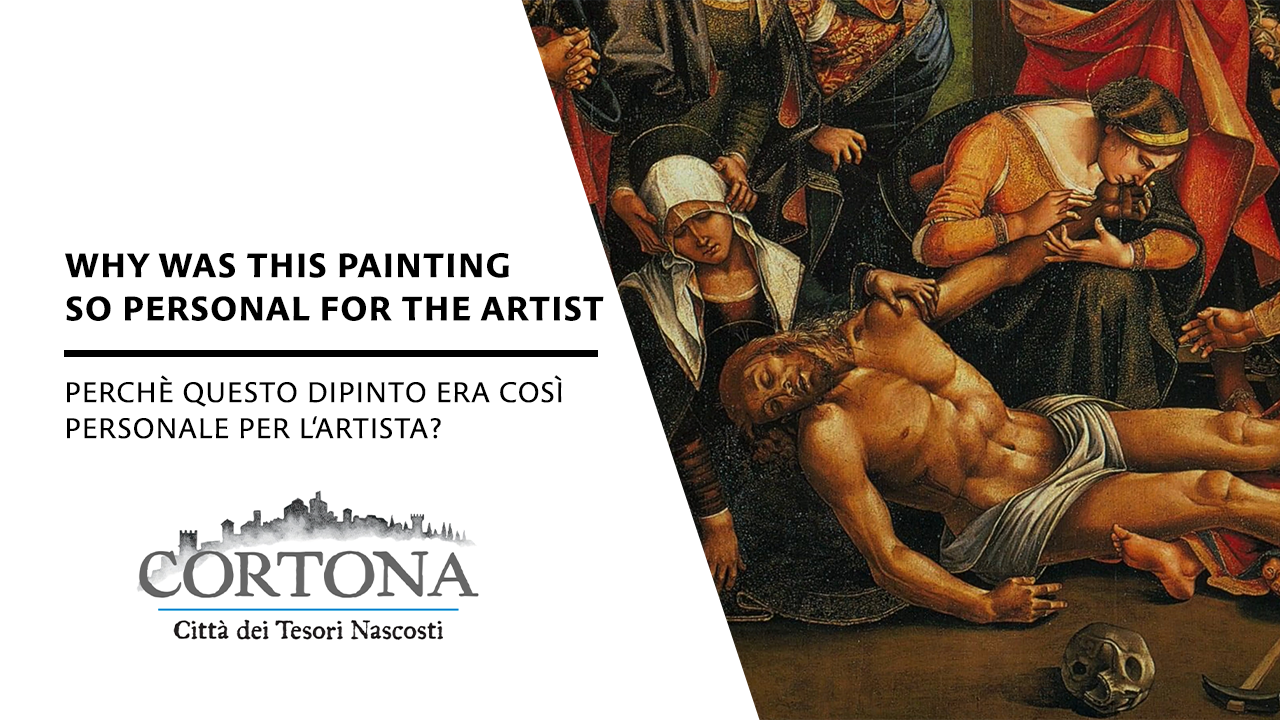
Why was this magnificent Renaissance painting so deeply personal—and so heartbreaking—for the artist who created it?
In this new journey through Cortona – City of Hidden Treasures, author Victoria Smith takes us inside The Lamentation over the Dead Christ (1502), Luca Signorelli’s extraordinary masterpiece, now housed in the Diocesan Museum of Cortona.
Joining us is one of the world’s leading authorities on Signorelli, Professor Tom Henry, who reveals the moving story behind one of the most emotional works of the Italian Renaissance—a story where art, loss, and genius become inseparable.
The mystery revealed
According to the renowned Renaissance biographer Giorgio Vasari, Signorelli’s eldest son, Antonio, died tragically in the summer of 1502.
Despite his overwhelming grief, the artist displayed remarkable strength: before his son’s burial, he carefully studied and drew his body, determined to preserve forever what, in Vasari’s words, “Nature had given him, and cruel fate had taken away.”
The evidence hidden beneath the paint
Recent technical analysis has uncovered an astonishing discovery: Christ’s head was painted twice.
Beneath the visible face lies the outline of an earlier version. Art historians believe that, after the death of his son, Signorelli repainted Christ’s face, transforming this commission into a deeply personal farewell.
So profound was his emotional involvement that he is said to have accepted only half of his agreed payment, dedicating the sacrifice to the salvation of his soul.
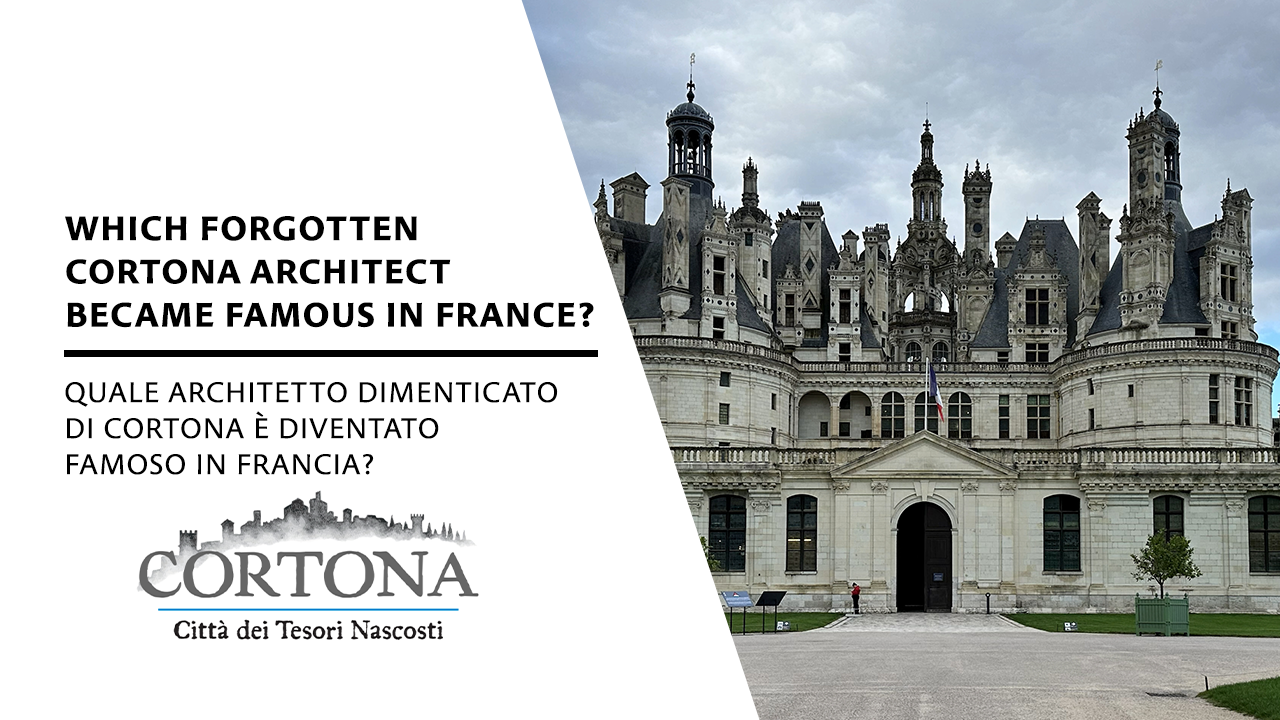
Did you know that behind some of the most famous monuments of the French Renaissance lies the hand of a genius born in Cortona?
In this new episode of Cortona: City of Hidden Treasures, we start from a quiet little alleyway in the historic center to uncover the incredible story of Domenico Bernabei da Cortona, nicknamed "Il Boccadoro".
Together with a special guest, Pierre Gramegna, we trace the life of this talented woodcarver and architect who moved to France in the 16th century. He went on to become the trusted architect for no fewer than three French kings, including Francis I.
Boccadoro worked on immortal masterpieces like the Châteaux of the Loire Valley, including Chambord, and designed the imposing Hôtel de Ville, Paris City Hall!
Unfortunately, as the saying goes, "No one is a prophet in their own land." While Paris dedicated a major street to him just a stone's throw from the Champs-Élysées, Rue du Boccador, in Cortona, his name is remembered only by a small plaque in a hidden alley.
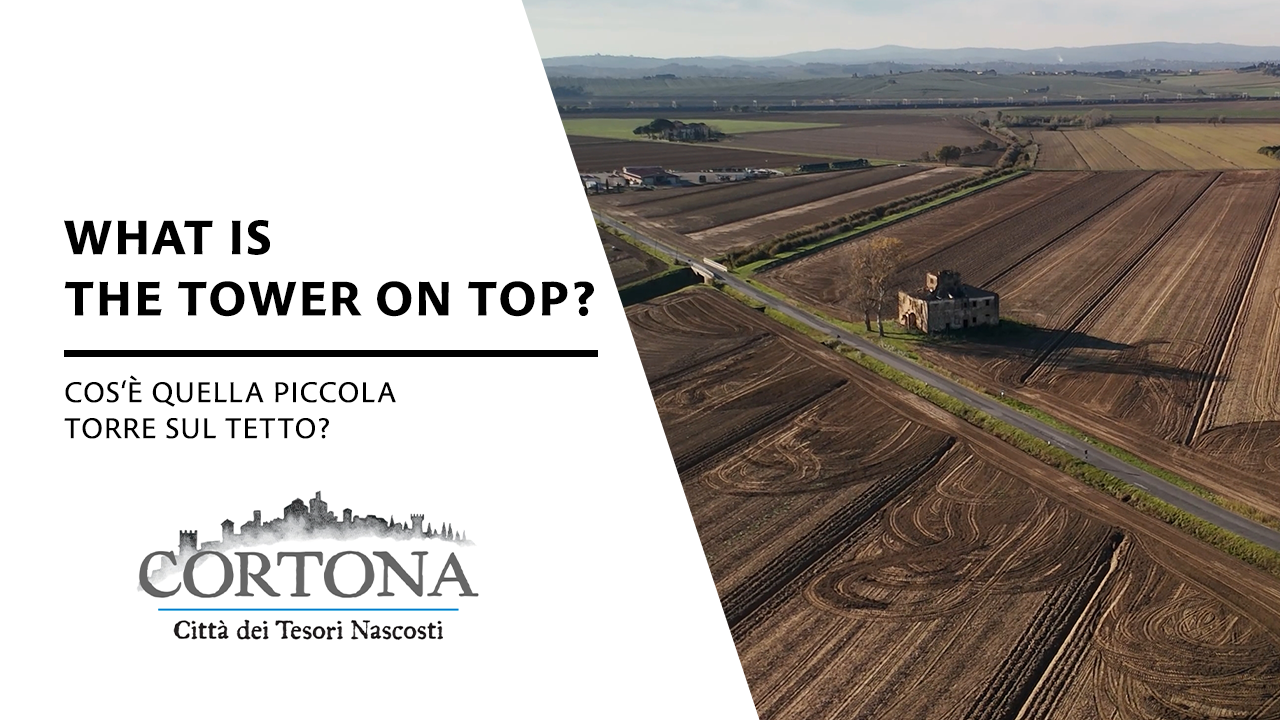
Have you ever noticed that curious "little house on top of the house" perched on the roofs of many old country homes in Tuscany? In this new episode of Cortona: City of Hidden Treasures, we're exploring the Case Leopoldine, the "silent guardians" of the Val di Chiana. Born out of the massive land reclamation projects commissioned by Grand Duke Peter Leopold of Lorraine, these structures were much more than just simple homes—they were true masterpieces of agricultural ingenuity and rural architecture. Together with landscape architect Silvia Neri, we'll discover:
A fascinating journey back in time to an era where every single architectural element served a vital purpose.
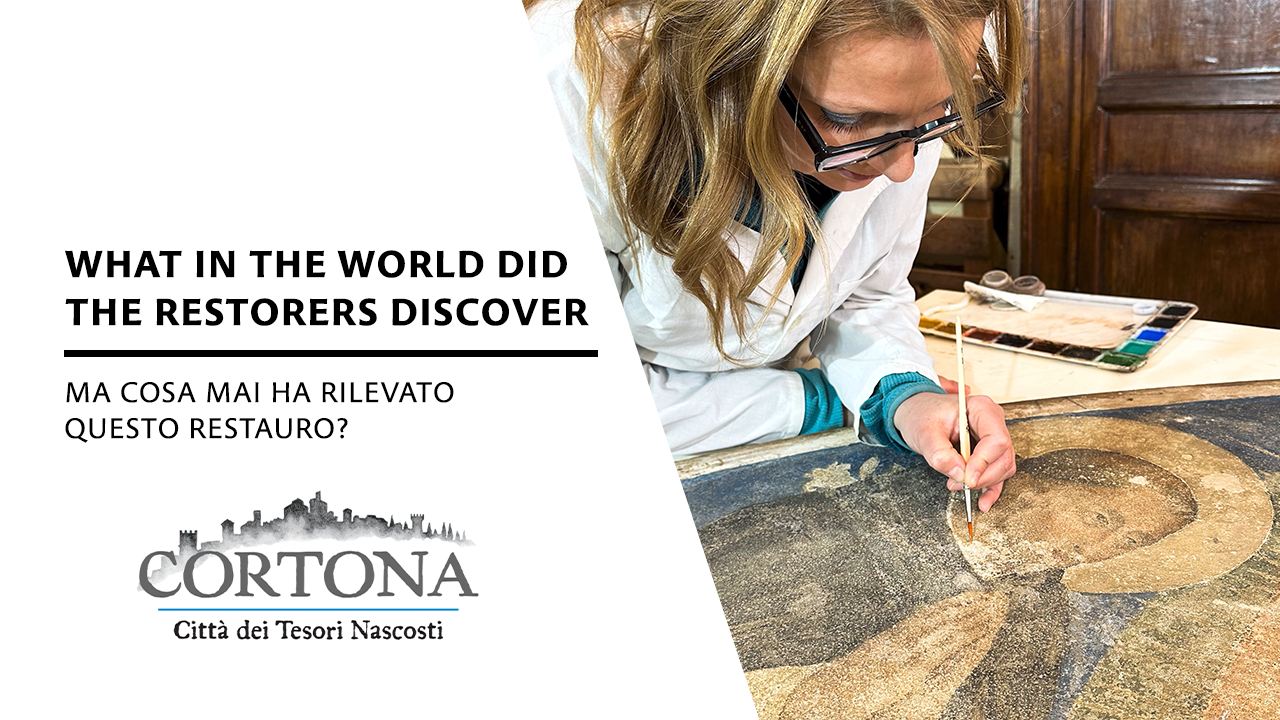
Step behind the scenes of an extraordinary art restoration!
Discover how a 15th-century masterpiece has been brought back to life through a combination of artistic expertise, passion for cultural heritage, and the generosity of modern-day patrons.
In this video, we take you to Cortona, Tuscany, outside the beautiful Church of San Domenico, to witness the meticulous restoration of the magnificent lunette fresco painted by the renowned Renaissance artist and Dominican friar Fra Angelico in the mid-15th century.
Guided by expert conservators Luciana Bernardini and Beatrice Cenci, you will discover the techniques used to preserve this remarkable work of art—from delicate cleaning with natural sponges and deionized water to careful retouching using natural earth pigments and casein, in accordance with traditional restoration methods.
As the restoration progressed, several fascinating details emerged after centuries hidden beneath layers of dirt and the effects of time:
1️⃣ Part of the Madonna’s original gold halo was uncovered, revealing traces of its extraordinary brilliance.
2️⃣ A remarkable historical detail appeared on the globe held by the Christ Child: it bears only the names Asia and Europe. Why? Because the fresco was painted before Europeans became aware of the American continent following the voyages of Christopher Columbus. 🌍
A heartfelt thank you goes to the generous patrons from Cortona whose support made this important restoration possible, returning a priceless work of art to the local community.
📍 Location: Church of San Domenico, Cortona, Tuscany, Italy
🎨 Artwork: Madonna and Child with Saints and the Evangelists — Fra Angelico
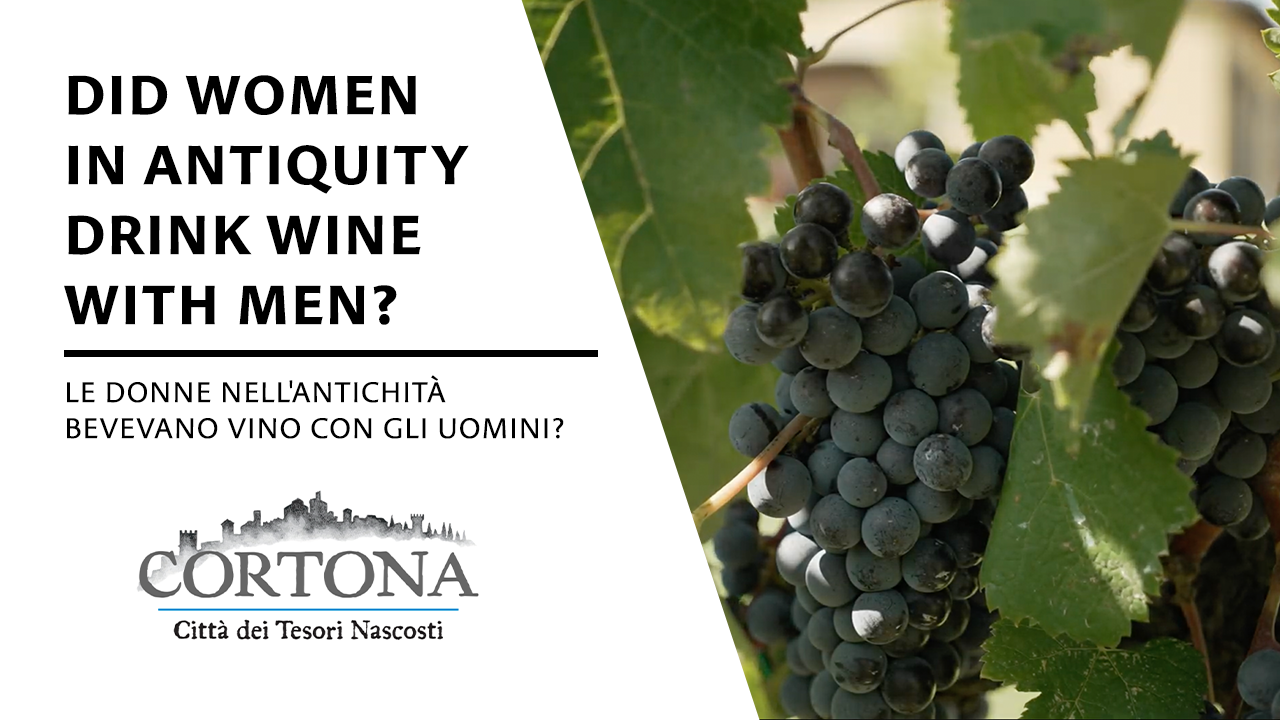
In Cortona, the answer might surprise you. During Etruscan times, women and men shared banquets and drank wine together—something very different from Roman culture, where wine was mostly reserved for men.
In a land where wine has been produced for over 2,800 years, Cortona became an important hub first for the Etruscans, then for the Romans, and today for its Syrah, one of the most distinctive in Italy. Discover the history, traditions, and hidden stories of wine in Cortona through “Cortona Hidden Treasures”.
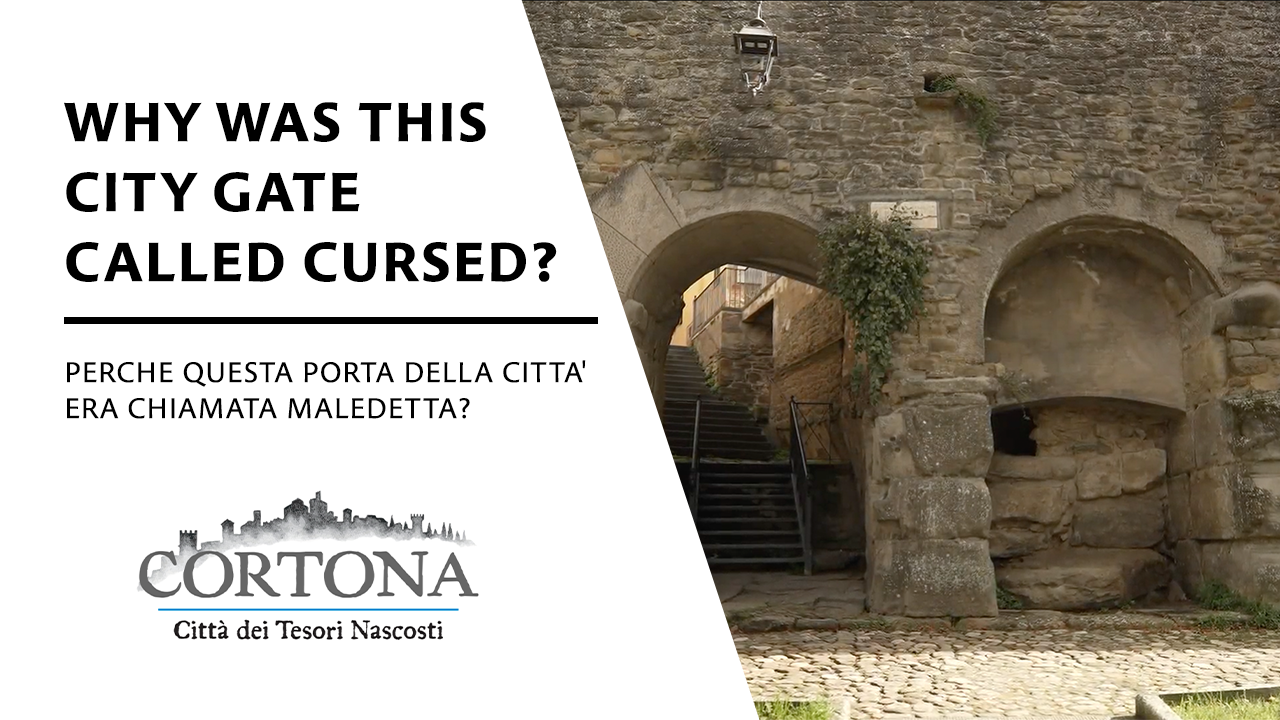
In Cortona, this extraordinary Etruscan gate holds over 2,000 years of history… and a story few people know. In 1258, during the night, enemy troops entered the city from here, leading to the fall of Cortona. From that moment on, it was blocked up and became known as the “cursed gate.” It was not opened until the 1990s and some residents still will not pass through.
Built in the 2nd century BC, it is the only known Etruscan gate in the world with a double entrance, once guarded by ancient deities linked to life, death and the wild.
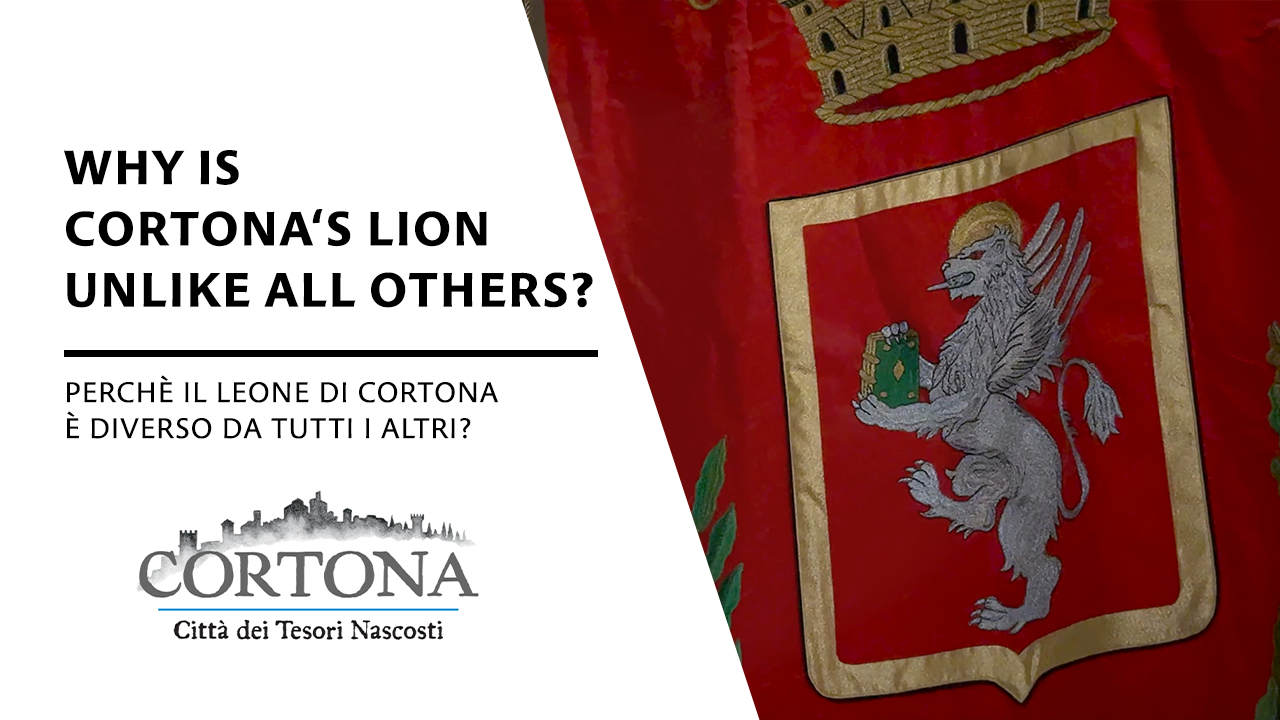
Think you really know the history of Cortona? In this new episode of our multimedia project promoted by the Municipality of Cortona, we lift the veil of time to uncover the secrets hidden inside the beating heart of local politics: the Council Hall. Together with Silvia Navini (City Councilor for the Historic Center) and heraldry expert Patrizia Rocchini, we analyze the emblem that has defined our region's identity for centuries: the coat of arms featuring a rampant silver lion on a red field. What you’ll discover in this video:
Join us on a fascinating journey through art, heraldry, and medieval history to rediscover the roots and memories of our community. Cortona City of Hidden Treasures is a project dedicated to showcasing the lesser-known places, symbols, and stories of our extraordinary territory.
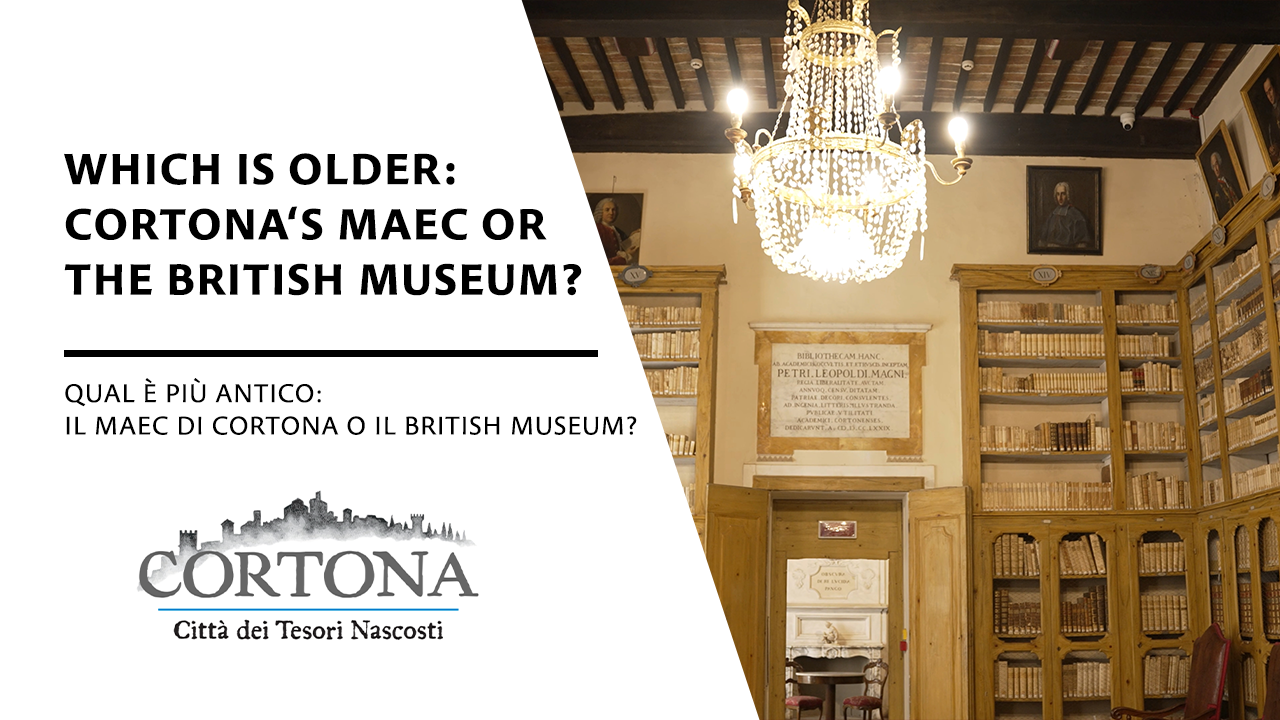
On the top floor of an ancient building in Cortona lies an extraordinary place: the Library and Museum of the Etruscan Academy, now part of the MAEC. Founded in 1727 by a small group of young intellectuals in their early twenties, the Academy aimed to improve the cultural and economic conditions of the city by making books, manuscripts, and historical objects available to the public. An incredible detail connects this local reality to the rest of Europe: the world-famous British Museum in London opened its doors only in 1752 at the behest of King George II, a full 25 years after the Cortonese institution. The Etruscan Academy can therefore boast the merit of having been, in a certain sense, the precursor to one of the most important and well-known museums in the world. Watch the video to discover the history of the Lucumones, the "Cortonese Nights," and the international treasures housed inside this Tuscan gem.
Cortona still has many secrets to tell. We are constantly filming and uncovering new wonders, adding fresh chapters to our series to keep the magic alive. Is there a special corner of Cortona close to your heart? A hidden courtyard, a forgotten story, or a breathtaking view you think we should feature in our next video? We would love to hear from you—send us your suggestions and help us map the city’s secrets. Visit us often or subscribe to our YouTube channel to ensure you never miss a hidden treasure.
We’ll add new treasures regularly. Follow us so you don’t miss any of their secrets.