
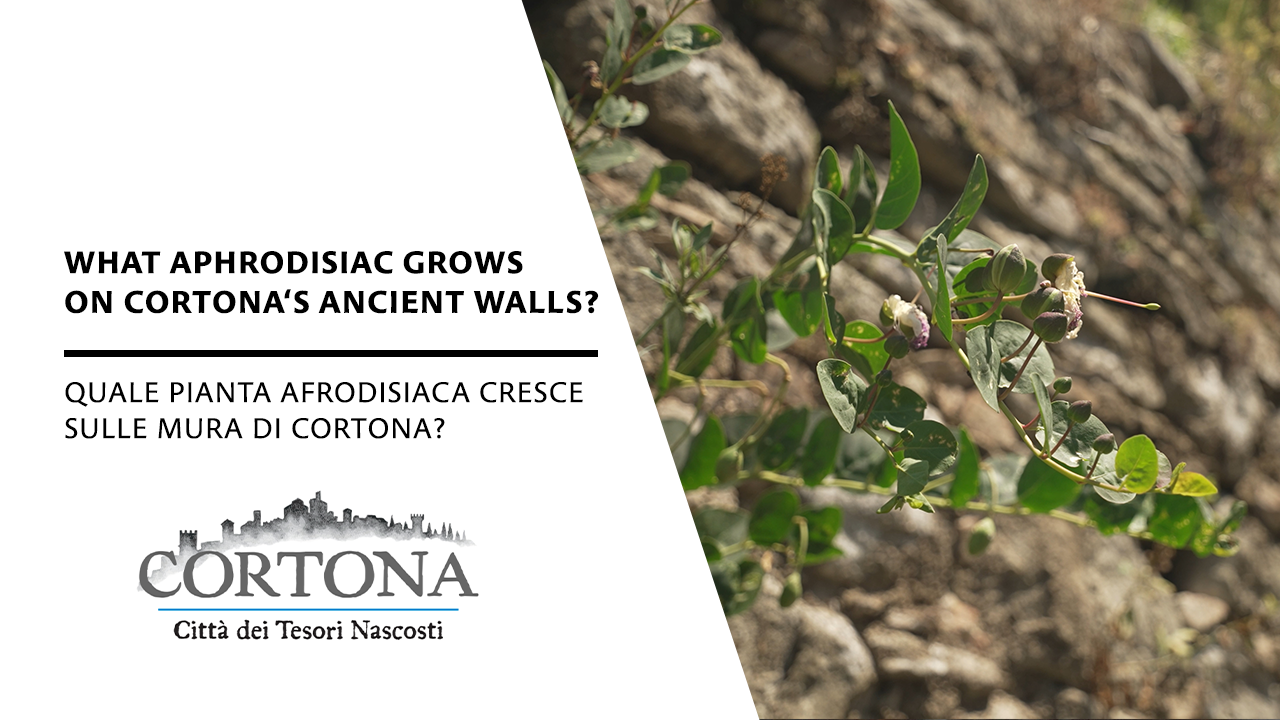
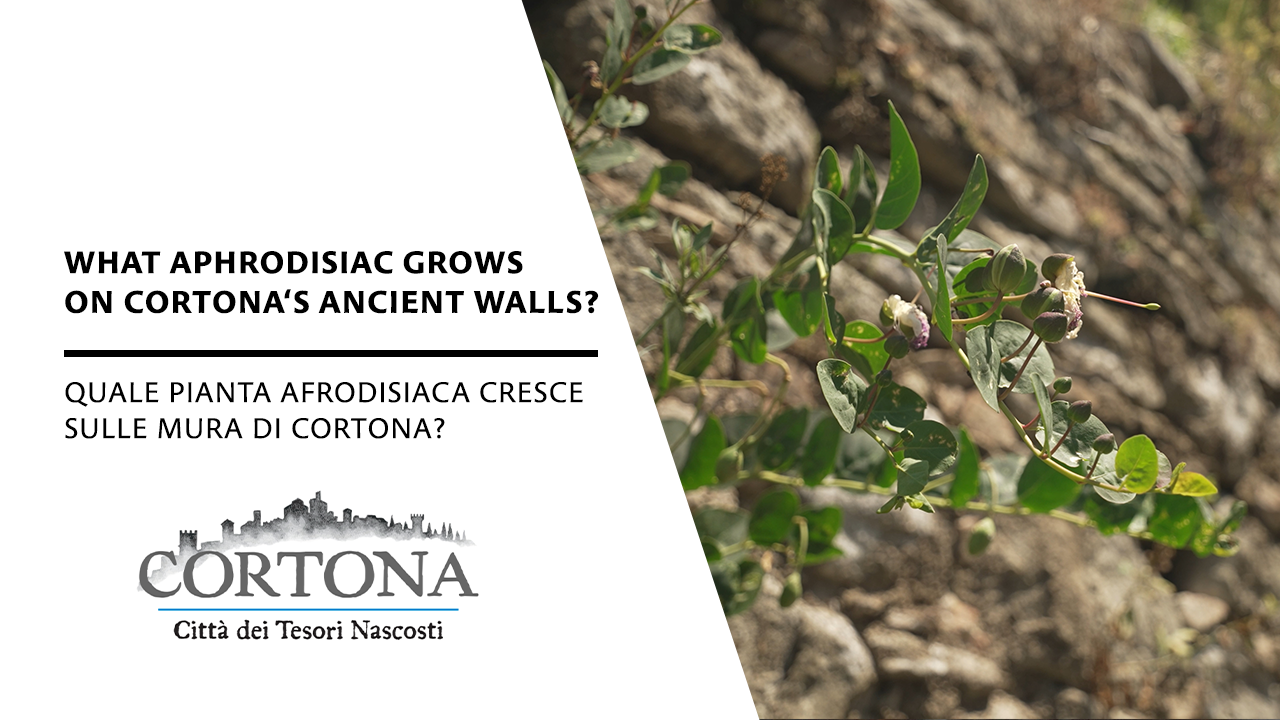
A plant we usually associate with Mediterranean cooking grows naturally on the ancient walls of Cortona: the caper.
Behind this seemingly simple ingredient lies a much more surprising story.
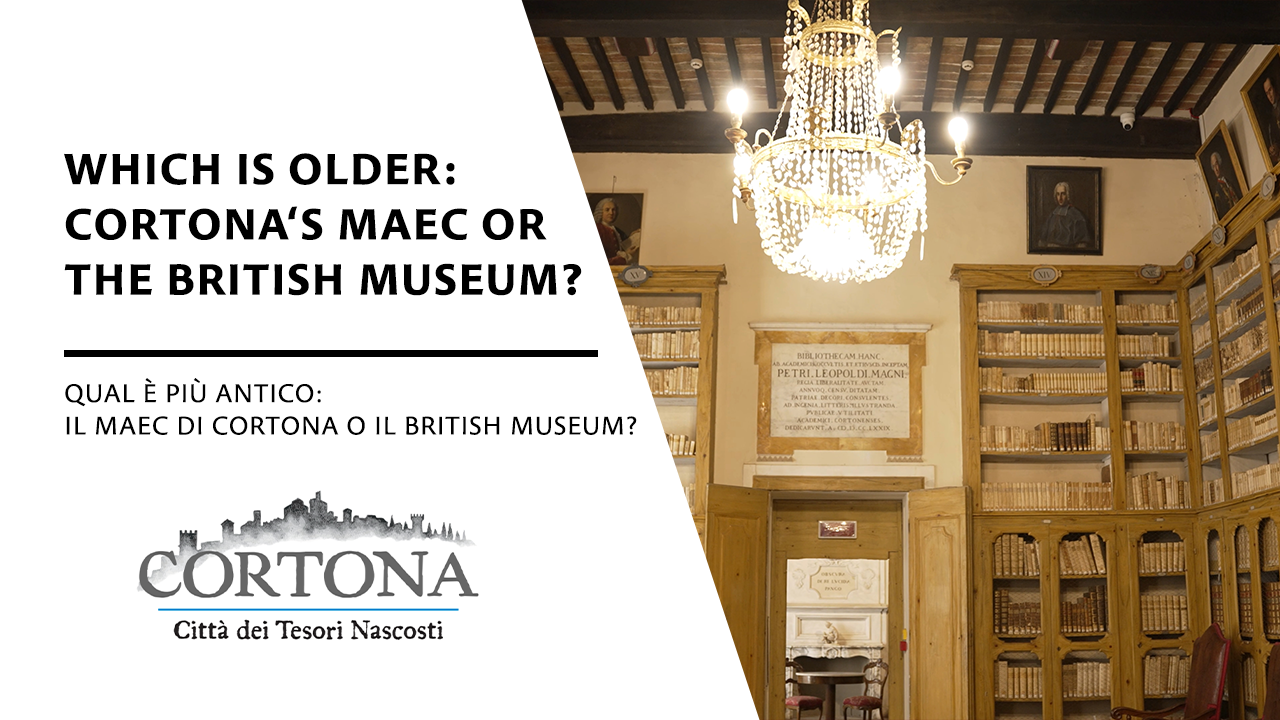
To uncover it, we enter the historic rooms of the Accademia Etrusca di Cortona, founded in 1727, where an extraordinary record of 18th-century interest in botany and natural science is still preserved.
Its historic herbarium is not made up simply of dried and pressed plants. It contains more than 300 watercolour plates, arranged across three complete volumes and a fourth unfinished one, documenting plants found in the Cortona area. Among them is the caper.
But why was this plant considered so special?
From Hippocrates to Renaissance cuisine, capers were credited over the centuries with a range of properties, including one particularly intriguing reputation: as an aphrodisiac.
In this episode of Cortona: City of Hidden Treasures, Rita Adreani and Professor Sergio Angori, Bibliographic Curator of the Accademia Etrusca, reveal a story where botany, food, tradition and cultural heritage come together.
We’ll add new treasures regularly. Follow us so you don’t miss any of their secrets.